1. Material Selection
- Stainless Steel: Often the most common choice due to its corrosion resistance and ability to withstand harsh environments.
- Titanium or Ceramic: For extremely corrosive or abrasive conditions, these materials offer superior durability.
- Polyurethane: Known for its resilience and ability to resist wear, making it ideal for screens that need to handle abrasive materials.
2. Mesh Design
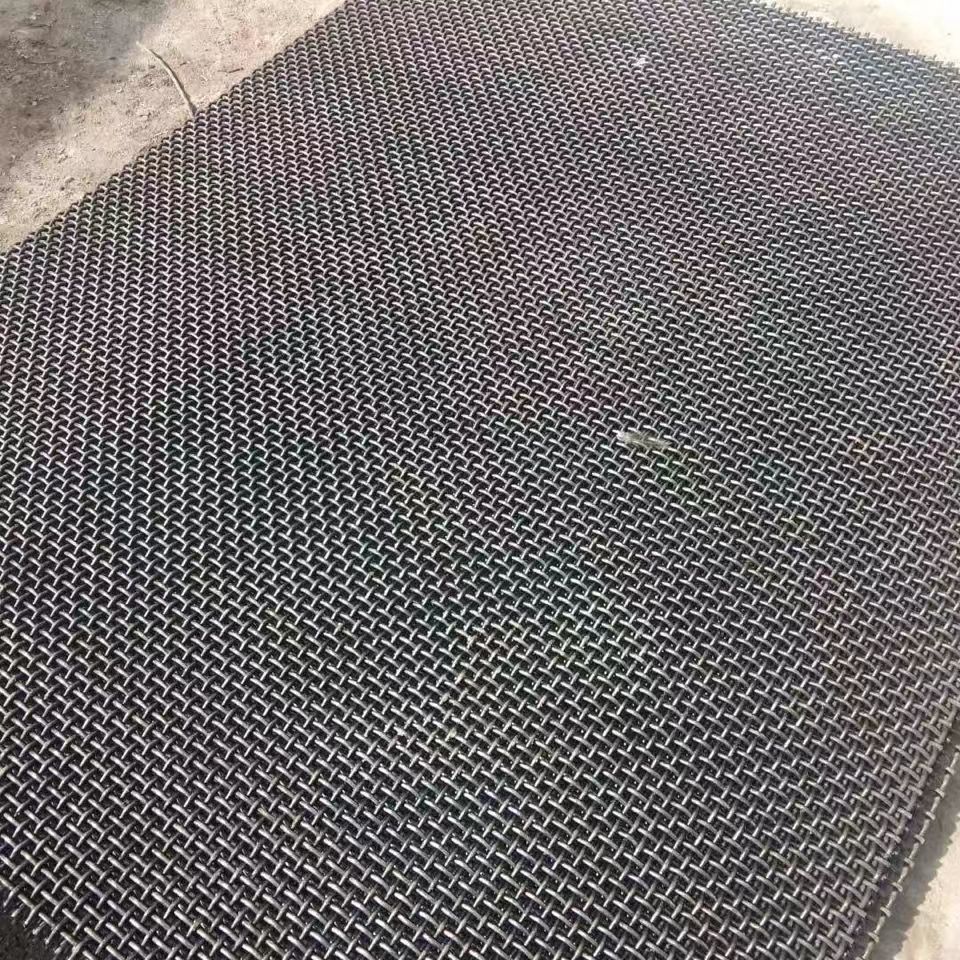
- Wire Diameter: Determines the size of the openings and affects the separation efficiency and capacity.
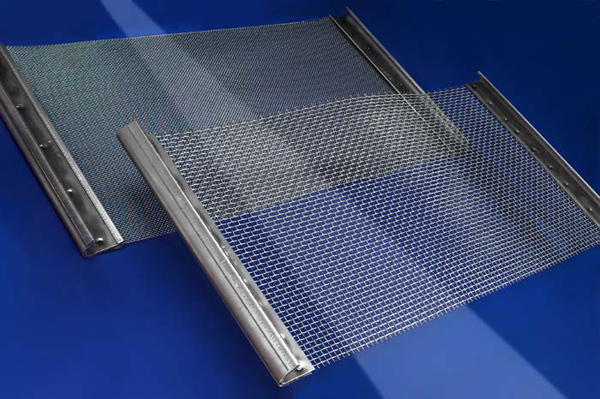
- Angle and Tension: Proper tensioning ensures consistent performance and longevity of the mesh.
- Wire Shape: Square, rectangular, hexagonal, or triangular wire shapes can affect the screening efficiency depending
on the material being processed.
3. Coating and Surface Treatment
- Plating: Zinc plating, nickel plating, or other coatings can enhance corrosion resistance.
- Anodizing: Provides additional protection against corrosion without affecting the mesh's properties.
4. Quality Assurance
- Testing: Rigorous testing for strength, wear resistance, and durability under simulated field conditions.
- Certifications: Look for products that meet international standards such as ISO, API, or CE, ensuring compliance
with safety and quality norms.
5. Customization
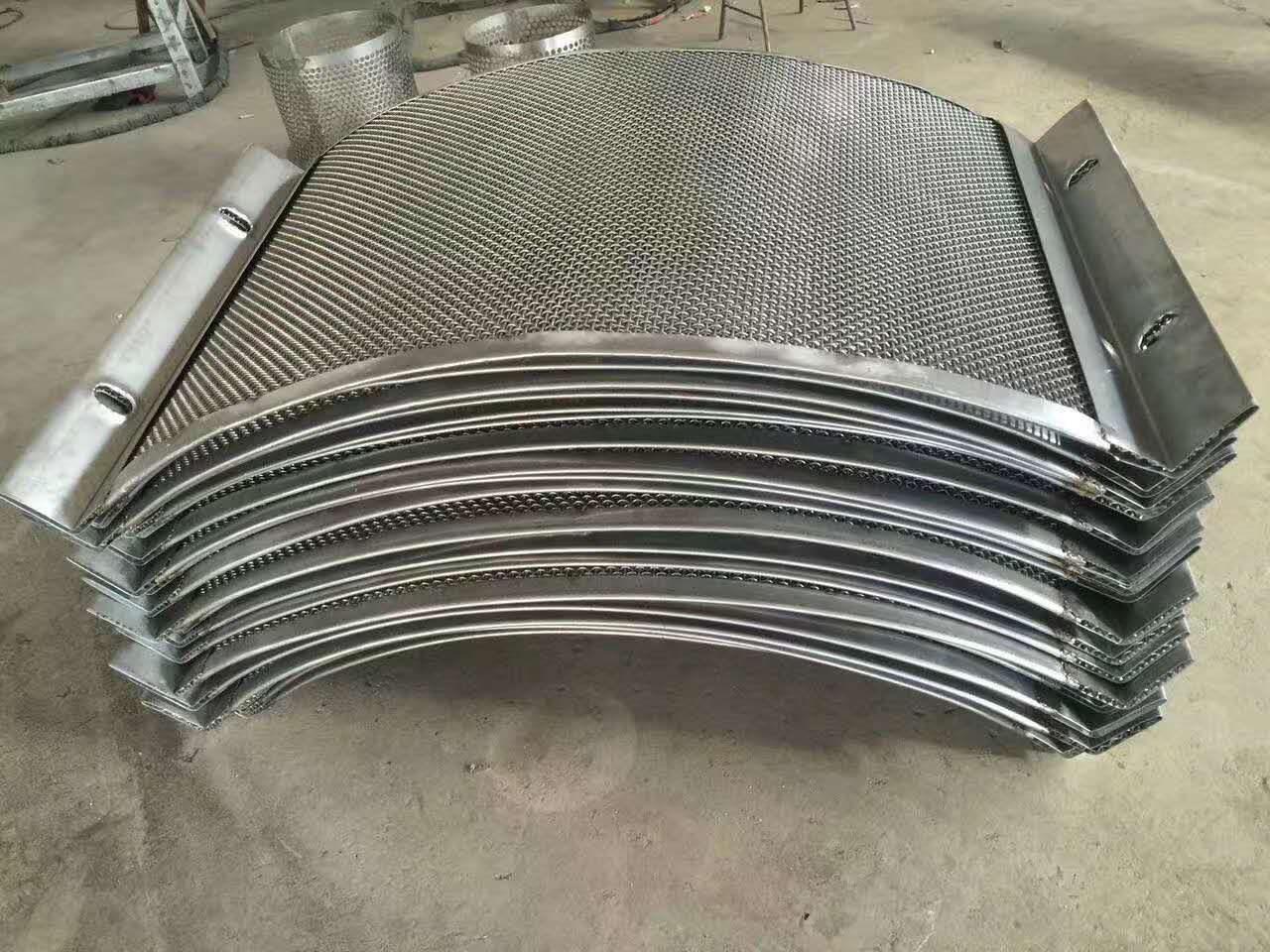
- Size and Shape: Customizable to fit specific machinery and operational needs.
- Frequency and Amplitude Settings: Adjustable to optimize screening efficiency based on the type and volume
of material.
6. Maintenance and Compatibility
- Ease of Cleaning: Important for maintaining high throughput and preventing blockages.
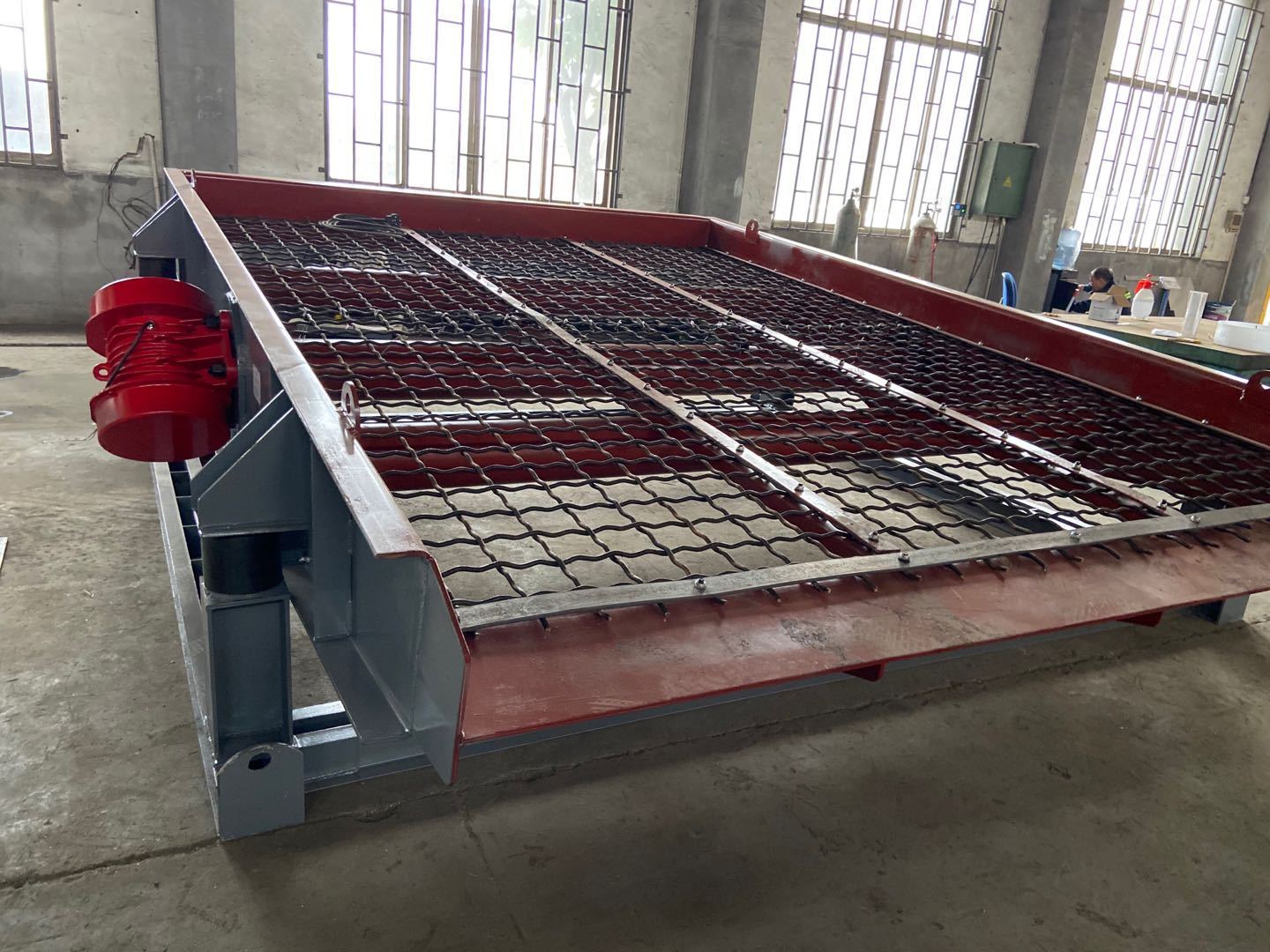
- Compatibility with Vibrating Screens: Ensuring the mesh fits correctly and operates efficiently within the existing
machinery setup.
7. Environmental Factors
- Temperature Resistance: High-quality meshes should maintain their performance across a wide range of
temperatures encountered in oilfield operations.
- Resilience to Extreme Conditions: Able to withstand fluctuations in pressure, humidity, and temperature changes.
By considering these factors, you can select the most suitable high-quality vibration screen mesh for your oilfield
applications, ensuring optimal performance, longevity, and safety.